


-


Women's Lace-Free Walking Trainers
Regular price $51.90| 4 ColoursRegular priceUnit price per -


Lightweight Purple Women's Walking Shoe
Regular price $98.90| 2 ColoursRegular priceUnit price per -


Women's High-Top Walking Boots
Regular price $102.90| 3 ColoursRegular priceUnit price per -


Down Camp Bootie
Regular price $57.90| 3 ColoursRegular priceUnit price per -

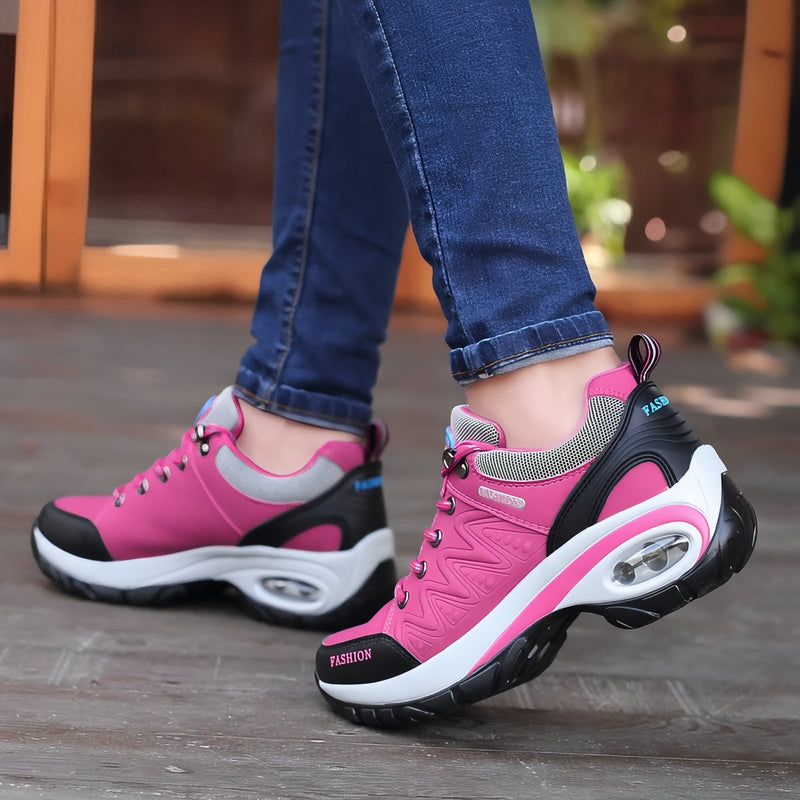
Women's Comfortable Walking Trainers
Regular price $92.90| 3 ColoursRegular priceUnit price per -

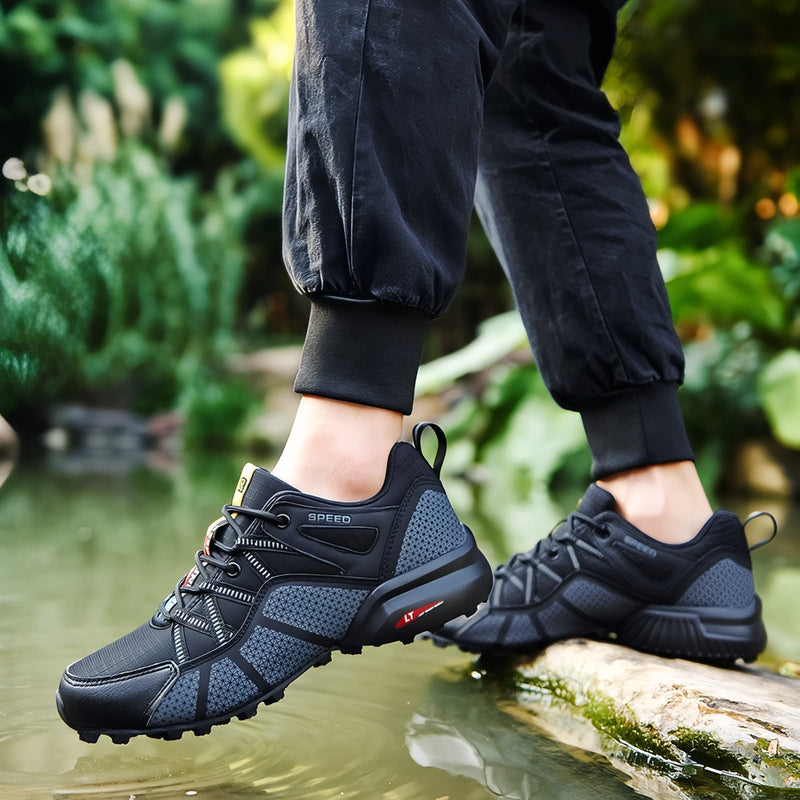
Waterproof Walking Trainers
Regular price From $121.90| 3 ColoursRegular priceUnit price per -


Women's Low-Cut Walking Shoe
Regular price $115.90| 2 ColoursRegular priceUnit price per -

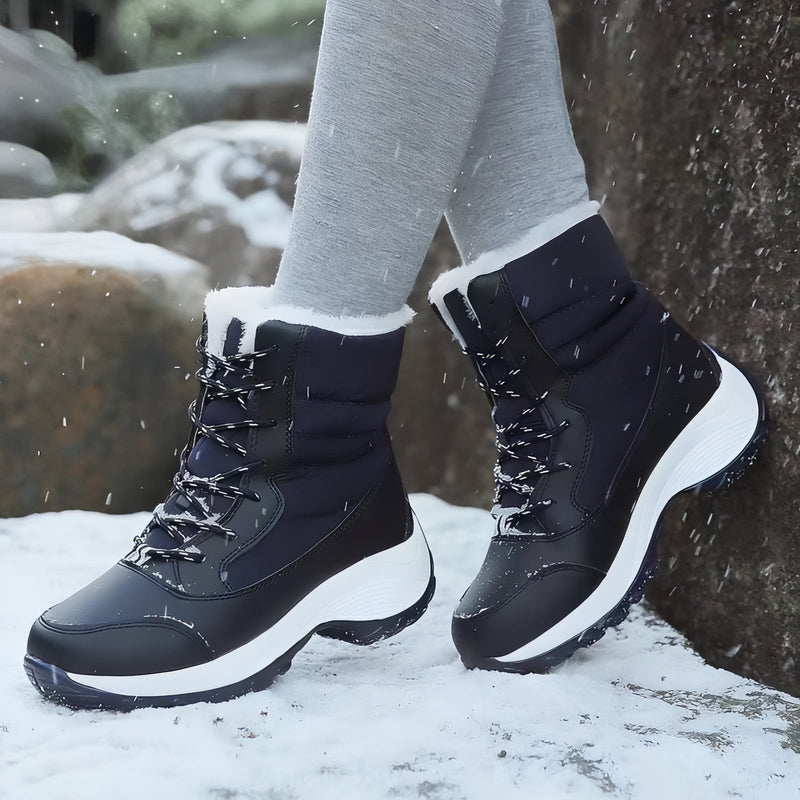
Women's Snow Walking Boots
Regular price $98.90| 4 ColoursRegular priceUnit price per -


Lightweight Blue and Pink Women's Walking Shoe
Regular price $114.90| 1 ColourRegular priceUnit price per


Frequently Asked Questions
Which hiking boot should you choose for a woman?
Choose according to the terrain and the length of your outing: a soft low-cut boot for day walks on easy trails, or a stiff high-cut boot for mountain terrain and trekking with a loaded rucksack. A narrower women's fit, plus a bit of extra room at the toe, makes all the difference for comfort.
High-cut or low-cut for hiking?
A high cuff protects the ankle on rough terrain and under load; a low cuff favours lightness and freedom of movement for fast-paced hikes. In the mountains or over several days, a high cuff is the safer choice.
Do you really need a waterproof boot?
Yes, if you're walking in the mountains, in wet weather or on sodden ground: a waterproof membrane keeps your feet dry. For dry summer outings, a breathable shoe without a membrane can be enough, and it dries faster.
How to avoid blisters while hiking?
Choose the right size, break in your boots before a long trek, and wear technical socks that wick away moisture. A foot that's well supported and dry greatly reduces the friction that causes blisters.
-

Responsive customer service
6/7 days by email
-

Free delivery
Over £50*
-

100% Secure
PayPal / MasterCard / Visa


