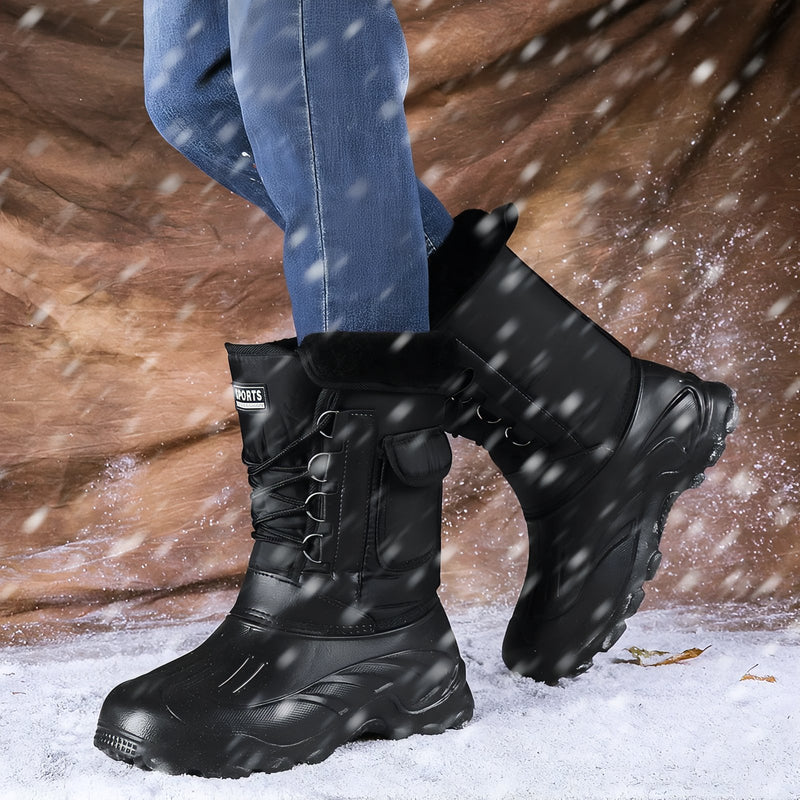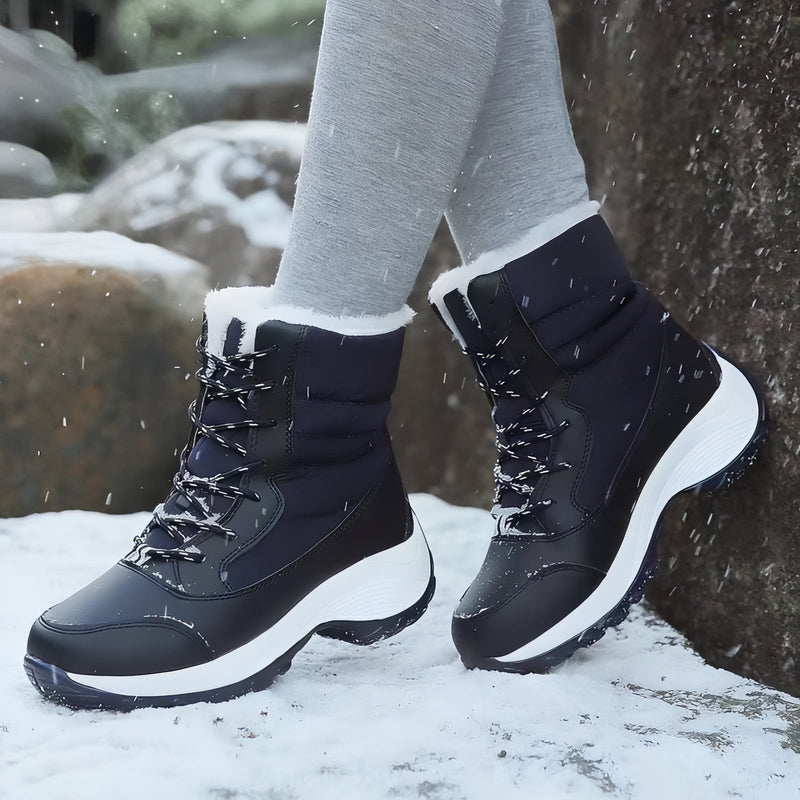
Walking Boots

Maximum support and protection on tough terrain: the hiking and walking boot with a high ankle cuff secures your ankle and takes on the mountains, mud and long distances. Here's how to choose the right boot for the way you walk.

Why choose a hiking boot?

The hiking boot stands out for its high cuff, which wraps around and supports the ankle. On rough terrain, under a heavy load or up in the mountains, this support reduces the risk of a sprain and keeps every step secure. Tough and protective, the boot is the go-to choice for long distances and demanding terrain, where a low shoe simply wouldn't offer enough support.

Ankle support, sole and grip on difficult terrain

Ankle support is the key benefit: it keeps you stable on side slopes and scree. The sole, rigid with deep lugs, grips rock, mud and unstable ground. A good boot also protects the forefoot from knocks. On easier trails, a low shoe will do the job - browse our walking and trekking shoes to help you decide.

Comfort, waterproofing and breaking in

Comfort comes down to good cushioning, solid heel support and getting the right size. Boots often need a break-in period: wear them on a few short outings before heading out on a long trek. A waterproof version keeps your feet dry in damp mountain conditions. Pair with technical socks to avoid rubbing.

What's it best for?

Ideal for the mountains, loaded trekking, mud and long distances, the boot is heavier than a low shoe - a trade-off worth making for the support and protection it gives. Available in men's and women's versions, designed to suit each body shape. Always check the sole's grip and how well it protects against the elements: on a long route, these details can make the difference between a great walk and a ruined one. Well-suited to the terrain, a boot with optimal support remains your best ally on big mountain routes - so try it on carefully before you set off.

⇪

Frequently Asked Questions

When to choose a hiking boot?

For mountain terrain, rough ground, mud, trekking with a loaded rucksack and long distances: its high cut supports and protects the ankle. On easy trails and in dry weather, a lighter low-cut shoe is all you need.

Does the high ankle support help prevent sprains?

It reduces the risk by stabilising the ankle on rough terrain and under load, but it doesn't eliminate it entirely. Good support remains a real asset in the mountains, complemented by solid walking technique and a well-adjusted rucksack.

Do you need to break in a pair of walking boots?

Yes: wear them on short outings before a long trek so they mould to your foot. This breaking-in period prevents blisters and makes for lasting comfort, especially with stiffer leather models.

Is a hiking boot waterproof?

Many models achieve this thanks to a membrane or treated leather, which keeps your feet dry on damp mountain terrain. Check this feature against the terrain and season you'll be walking in.

  • Responsive customer service

    Responsive customer service

    6/7 days by email

  • Free delivery

    Over £50*

  • 100% Secure

    PayPal / MasterCard / Visa

1 of 3